

A public sector university committed to accessible, high-quality education, research, and regional development in Bhakkar and beyond.
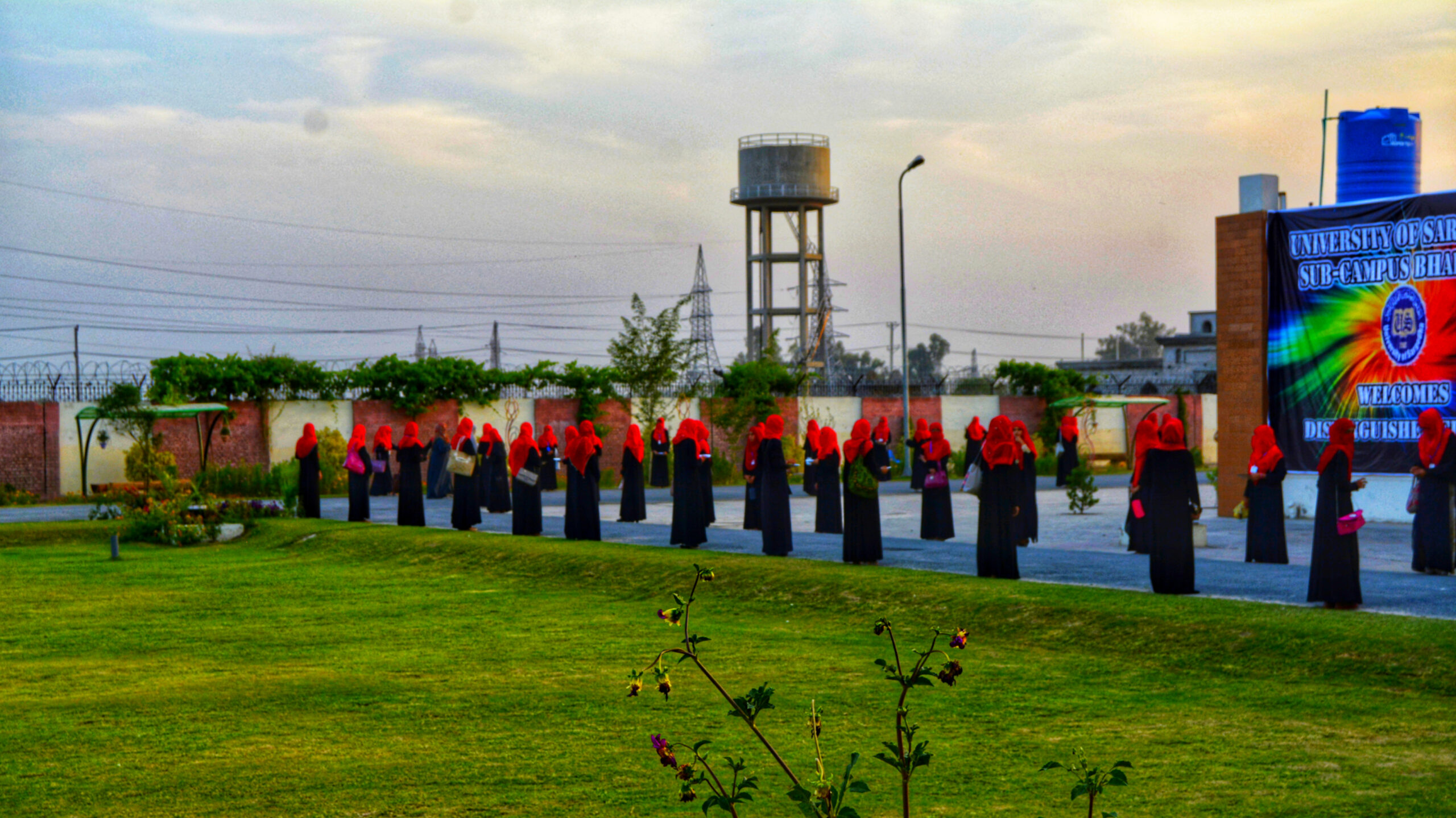
Thal University Bhakkar organizes its academic programs through five faculties that bring together computing, sciences, management, humanities, and social sciences.
This page is designed as a clear overview for prospective students, families, and visitors who want to understand the academic profile of the university before exploring admissions.
Focused on digital knowledge, software thinking, and technology-enabled problem solving.

Offers a strong foundation in computing, software, information technology, and the practical skills required in a rapidly evolving digital world.
Built around scientific reasoning, quantitative learning, and laboratory-based understanding.

Supports the study of matter, analysis, experimentation, and applied chemical understanding.

Introduces students to life sciences, biological systems, observation, and laboratory-supported inquiry.

Strengthens analytical thinking through mathematical modeling, logic, abstraction, and structured reasoning.

Builds understanding of the physical world through theory, measurement, experimentation, and scientific interpretation.
Combines business learning with economic understanding and commercial awareness.

Encourages leadership, management thinking, planning, entrepreneurship, and professional communication.

Connects students with accounting, finance, trade, and the commercial systems that support organizations and markets.

Explores production, policy, development, and economic decision-making from local to national contexts.
Strengthens language, culture, communication, ethics, and creative expression.

Supports learning in communication, storytelling, public messaging, and contemporary media awareness.

Develops language competence, critical reading, writing, literature appreciation, and academic communication.
Provides structured learning in Islamic thought, values, heritage, and engagement with society.

Links physical education, fitness, performance, and sports culture to student well-being and development.

Promotes Urdu language, literature, cultural expression, and the study of an important literary tradition.
Focused on people, institutions, society, public understanding, and human development.

Encourages quality teaching, curriculum understanding, educational leadership, and thoughtful classroom practice.

Examines diplomacy, regional affairs, global trends, public policy, and international engagement.
Introduces students to human behavior, mental processes, development, and psychological understanding.

Studies social structures, community life, institutions, and the forces that shape everyday society.

Prepares students to think about welfare, support systems, advocacy, and service to communities in need.